NEWS | VIDEO
Strawberry Farming by Dyson
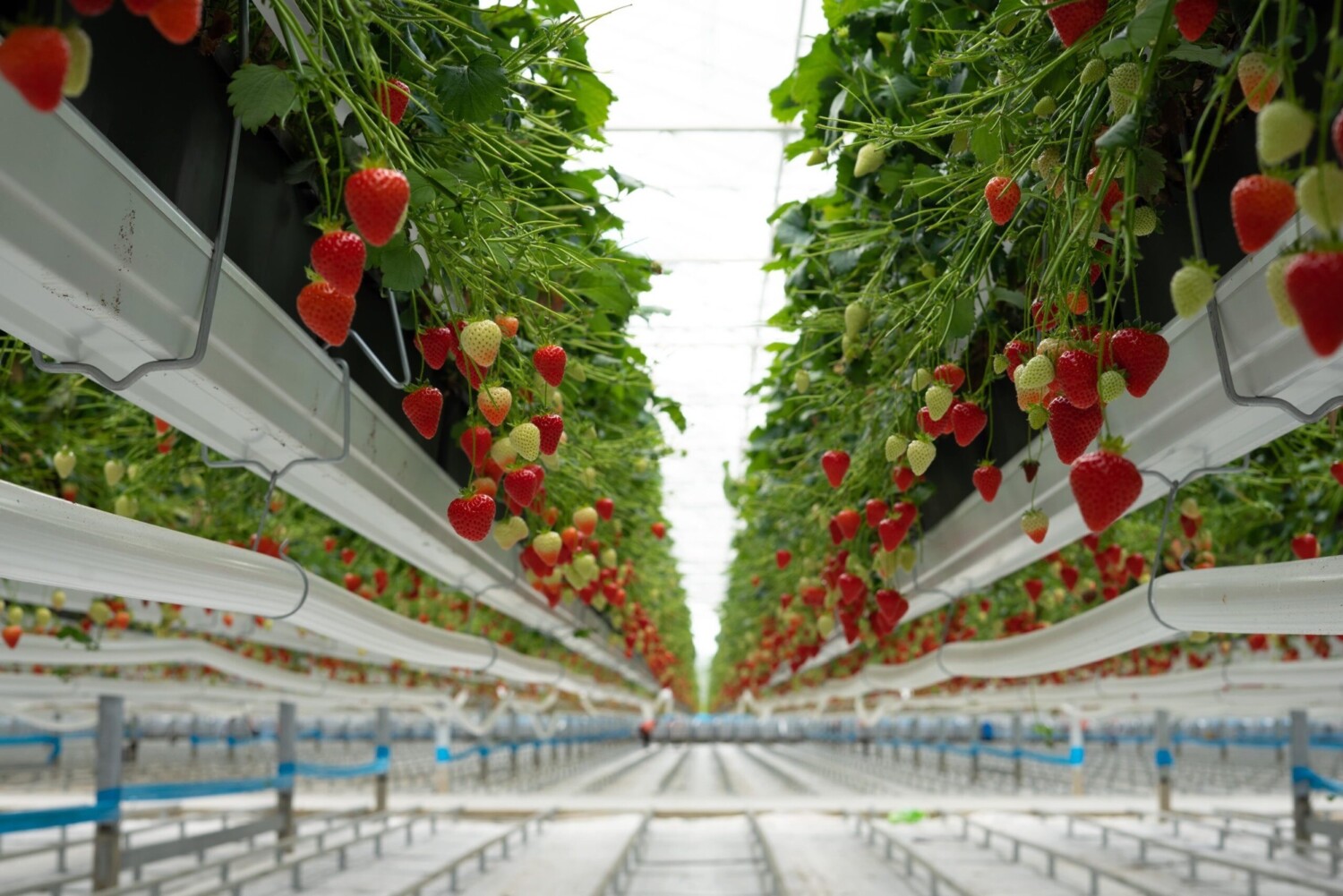
Rethinking Strawberries at Dyson Farming
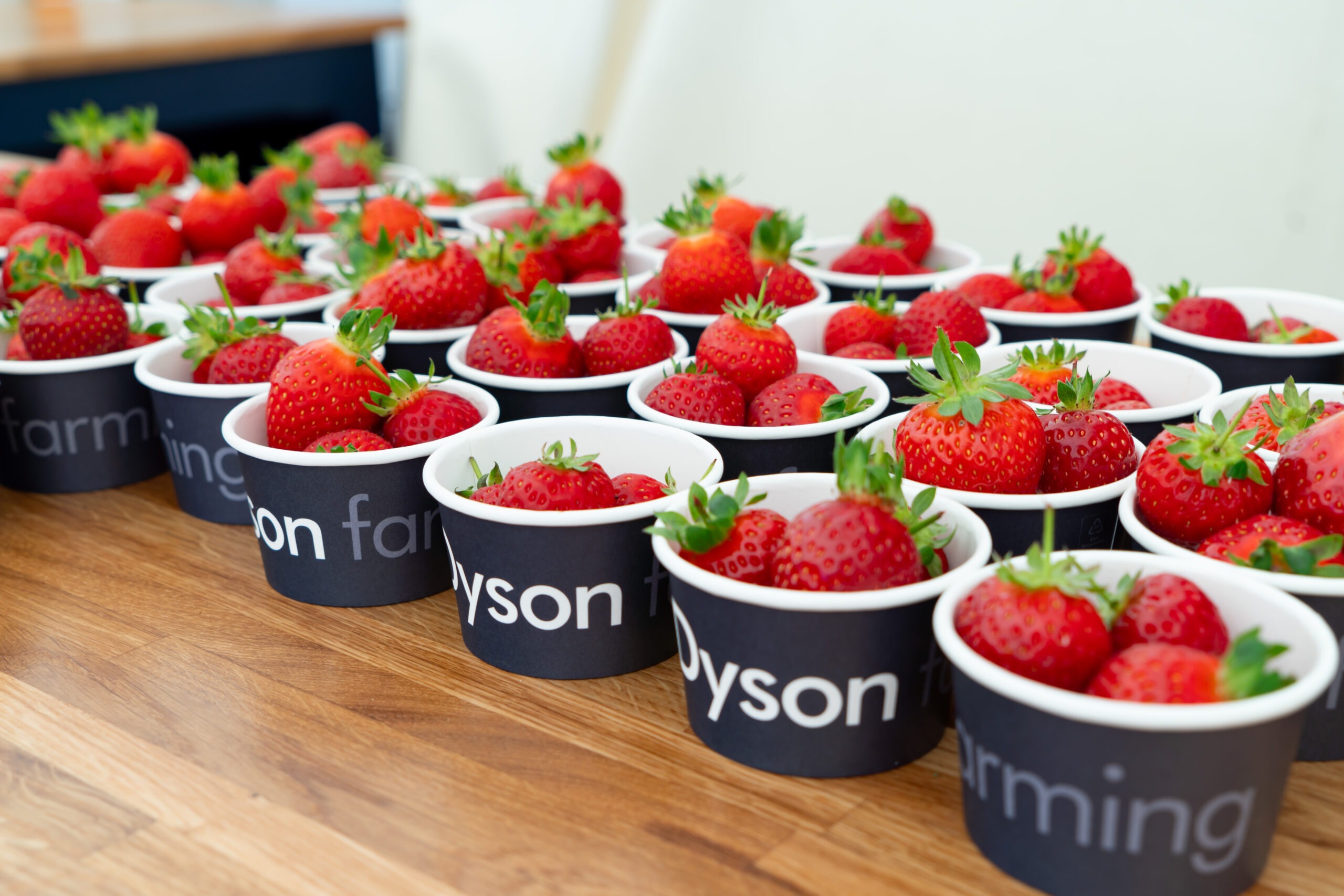
Strawberries are everywhere right now. Wimbledon menus, pick-your-own farms with the kids, grocery shelves stacked high. That simple taste really hits the summer spot. But Dyson Farming has reimagined how strawberries are grown and increased yields by 250 percent. It’s a great example of what happens when you start with a fresh perspective and leave assumptions behind.
Dyson didn’t just improve farming. They started again, asked better questions, and showed what industrial design can achieve when it rethinks systems from the ground up without any preconceived ideas.
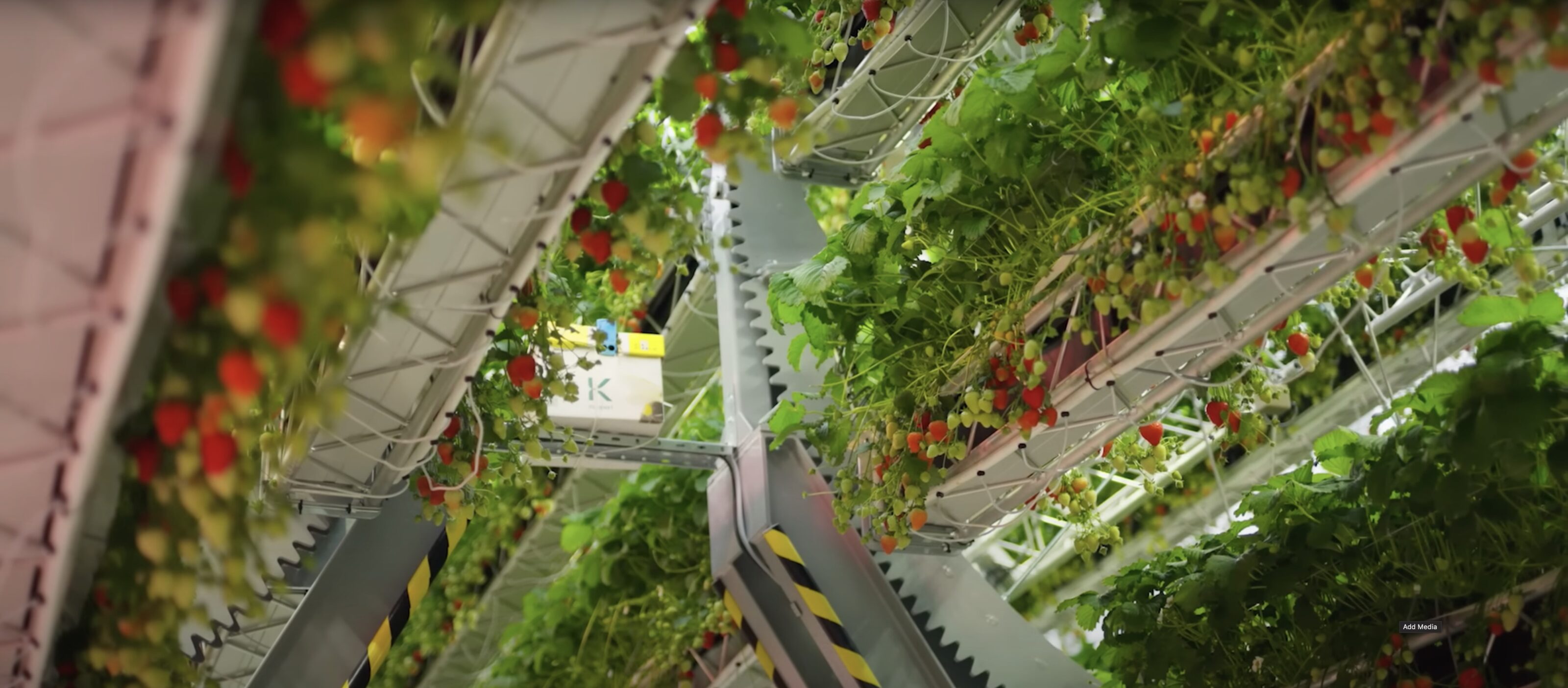
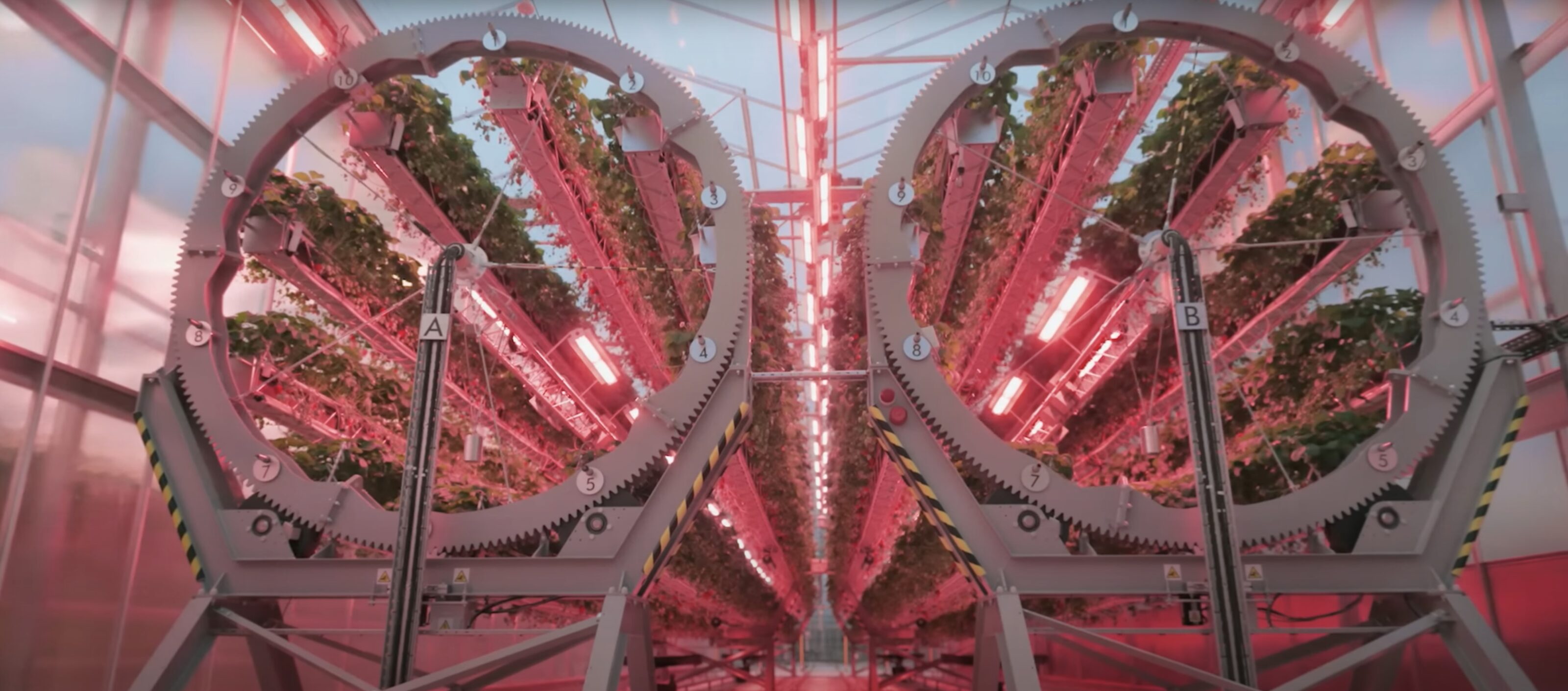
Giant Rotating Growing Rigs
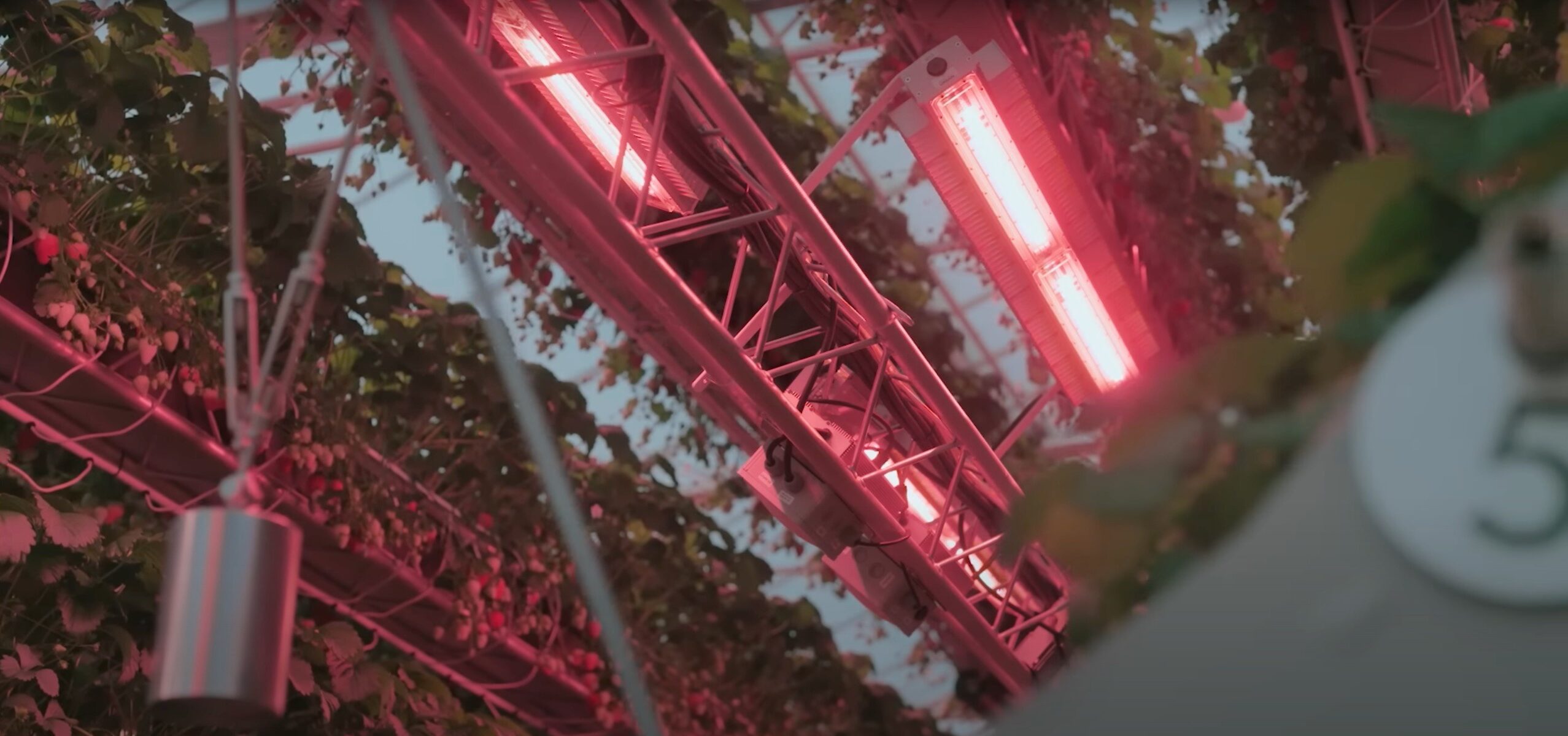
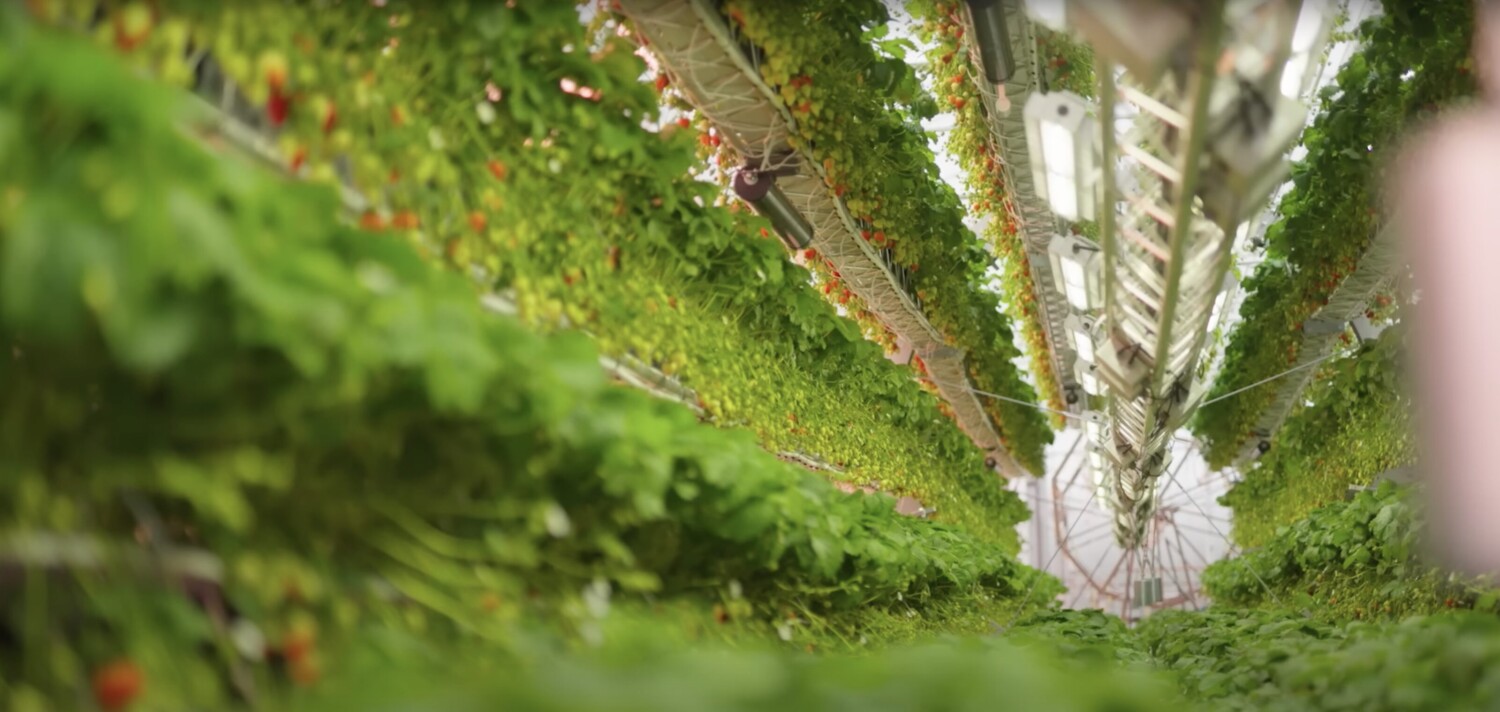
Instead of traditional flat rows, Dyson built 5.5-meter-tall rotating rigs that carry trays of strawberry plants in a slow-moving loop, like a vertical carousel. The movement maximises sunlight exposure and is supported by LED lighting when needed. This change in orientation led to a 2.5 times increase in yield, all within the same footprint.
Waste Energy Powers Climate Control
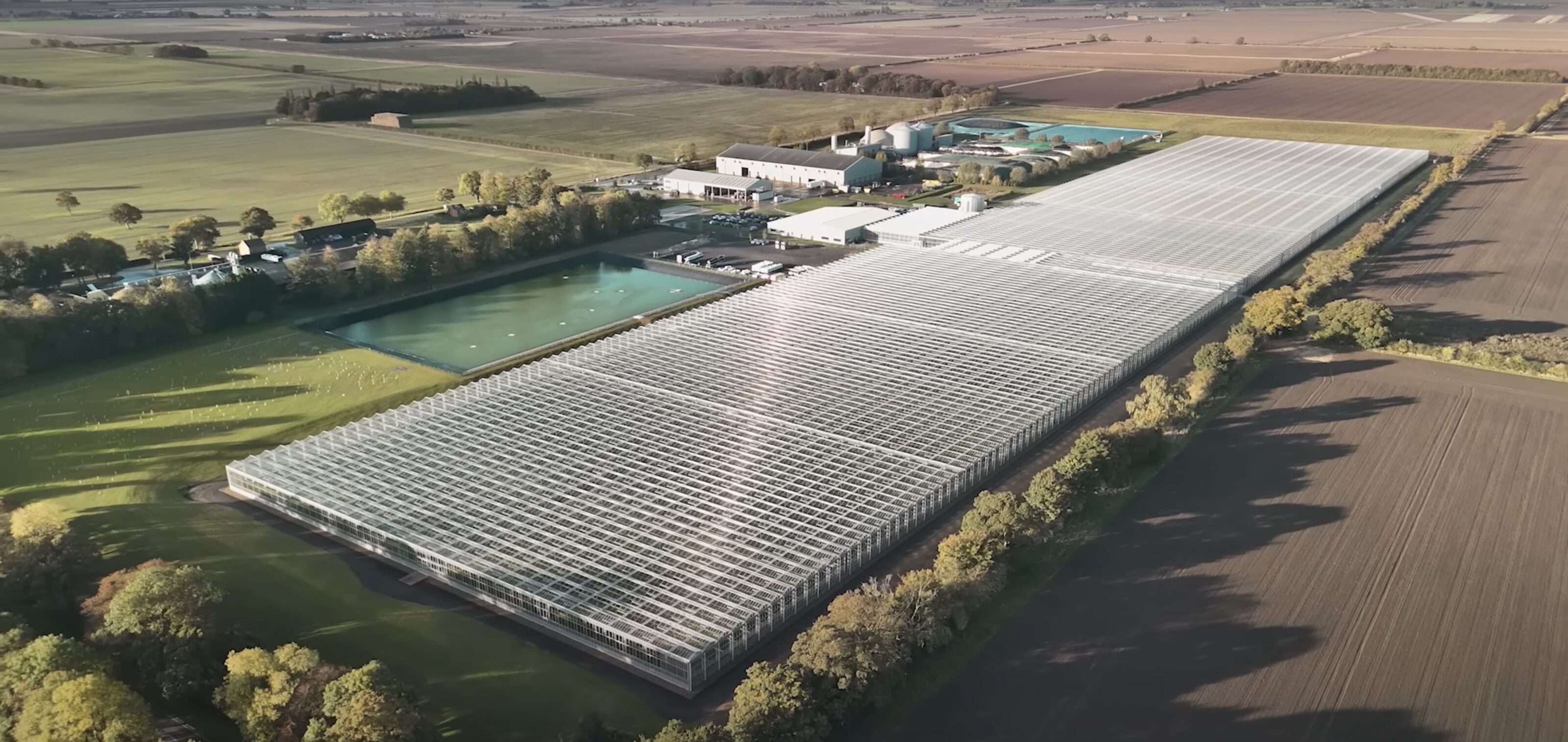
To grow strawberries through a British winter, you need to control heat, light, and carbon dioxide. Dyson solved this by linking the glasshouse to an on-site anaerobic digester. It turns farm waste into biogas, which powers turbines that run the heating system and generate electricity for the LEDs and ventilation. It’s an efficient and circular system that makes the whole setup feel more like engineered infrastructure than agriculture.
Irrigation That Moves with the Plants
Keeping plants hydrated while they rotate around a steel rig is not straightforward. Dyson developed a continuous irrigation and drainage system that moves with the trays. This ensures each plant gets the right amount of water, no matter its position in the rotation. It’s a neat solution to a quietly complex problem.
Robots That Support People and Plants
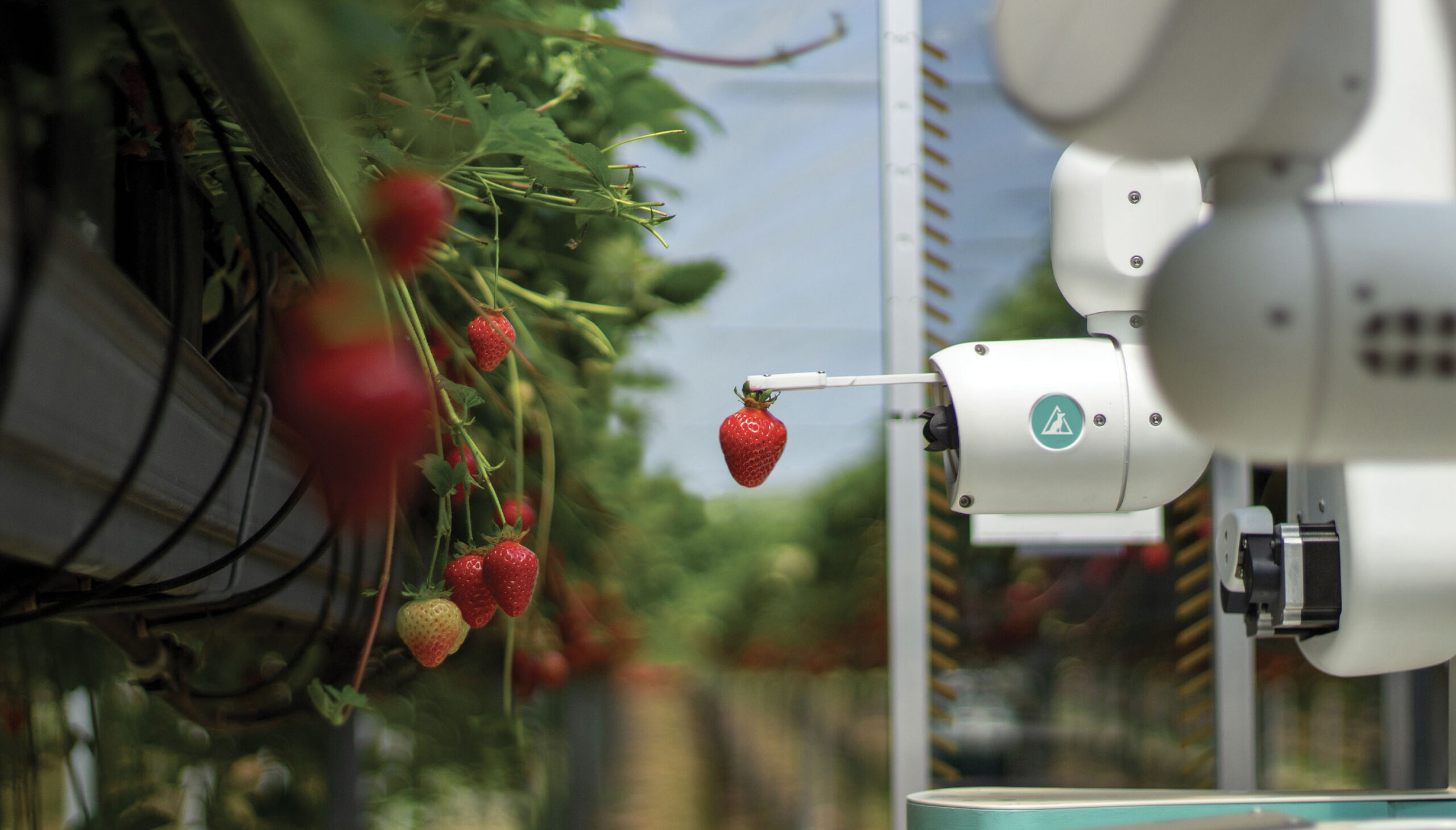
Even at this scale, strawberries still need a delicate touch. Dyson introduced robotic pickers equipped with cameras and precision tools to harvest fruit. Other robots patrol the rows at night using UV light to prevent mold. There are also systems for releasing beneficial insects, reducing the need for chemical treatments. All of this has been designed to work smoothly alongside people, not replace them.
Built to Scale
This isn’t just one clever glasshouse. Dyson designed each part of the system as a module that could be tested, refined, and scaled. Rotating rigs, irrigation loops, LED arrays, and robotic cells were all developed independently and then deployed across the facility. That modular thinking is what allowed them to grow over 1.25 million plants and produce nearly 1,300 tonnes of strawberries a year.
What This Means for Industrial Design
Rethink the layout. Flipping the orientation created a step change in efficiency.
Design as a system. Everything from water to robotics is part of the same environment.
Keep the human element in mind. Ergonomics and workflow still matter, even in automated spaces.
Test in modules. Build one unit, trial it, then replicate what works.
Dyson didn’t just improve farming. They started again, asked better questions, and showed what industrial design can achieve when it rethinks systems from the ground up without any preconceived ideas.









Keep up to date with the latest Journal entries by subscribing